|
WORLD MENTAL HEALTH DAY 2026 SATURDAY 10 OCTOBER
“Lived Experiences Heard: Real Voices, Real Change”
|
|
|
Welcome to this special edition of the Little Heath School Wellbeing Newsletter, published to mark World Mental Health Day. World Mental Health Day is observed each year on 10 October.
In 2026, 10 October falls on a Saturday, giving families an opportunity to mark the day together over the weekend.
The Mental Health Foundation chose the 2026 theme as “Lived Experiences Heard: Real Voices, Real Change”.
At its heart is a simple but powerful message: people’s experiences matter, and meaningful change begins when we genuinely listen.
|
|
At Little Heath School, listening to our young people is central to our approach to wellbeing.
Young people do not always need us to have an immediate answer. Often, what matters most is knowing that someone has noticed, has made time, and is prepared to hear what life feels like from their point of view.
|
|
This newsletter focuses on how families can create those moments of connection, alongside practical ways to support wellbeing at home.
|
|
|
|
Our previous wellbeing newsletter highlighted the importance of talking to young people about mental health and recommended finding a calm space, giving full attention, listening and asking questions, and asking how you can help.
Those principles are especially relevant to this year’s World Mental Health Day theme.
|
|
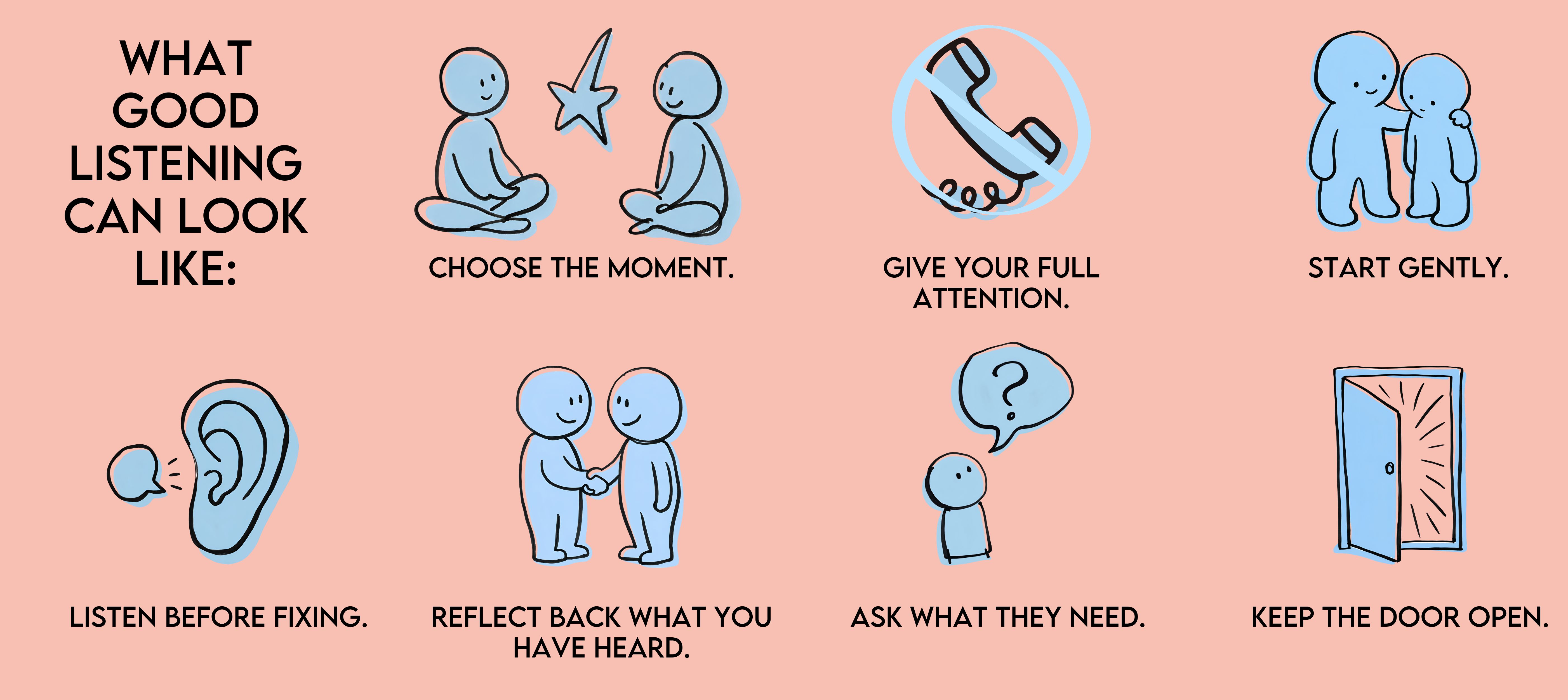
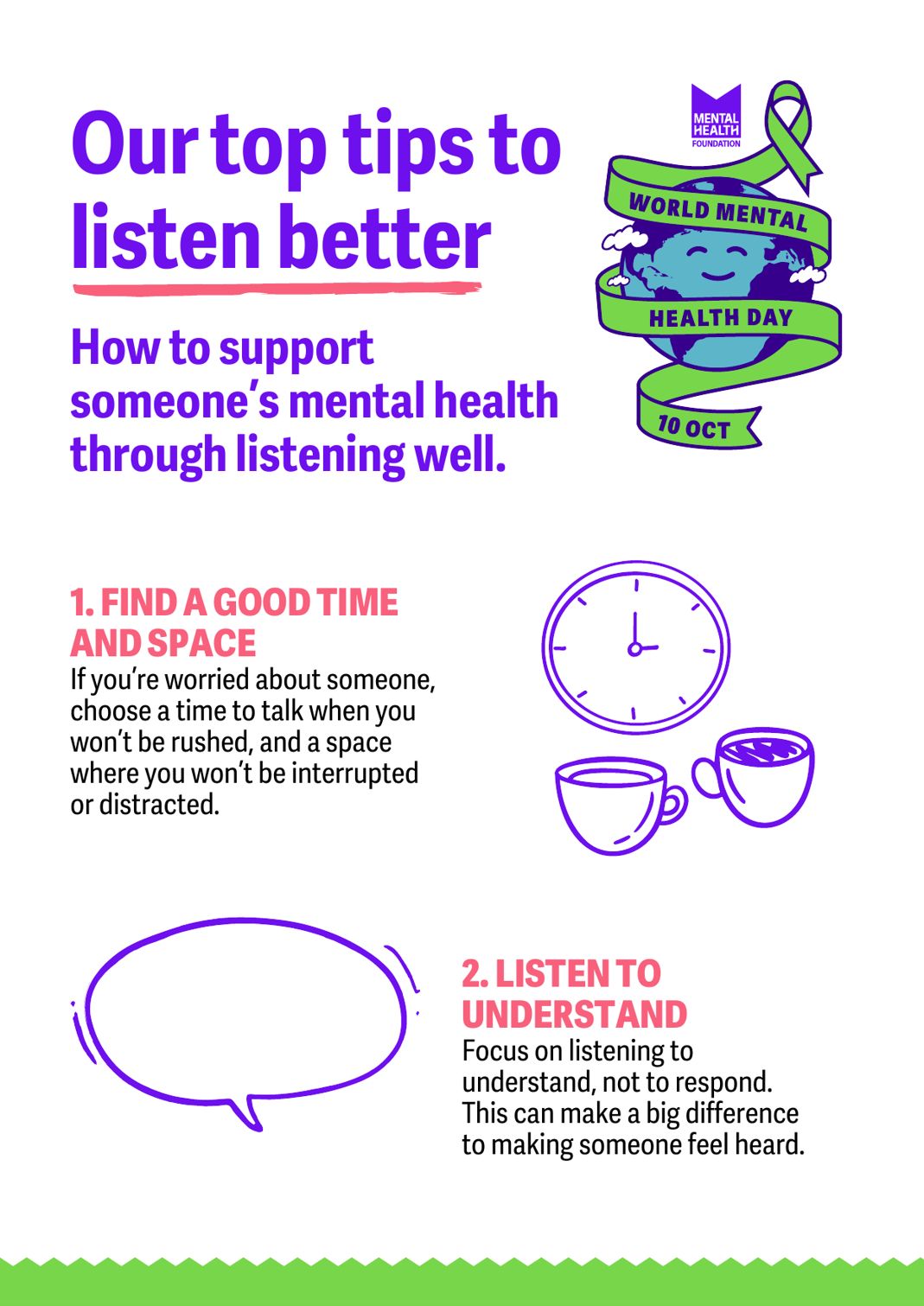
What good listening can look like.
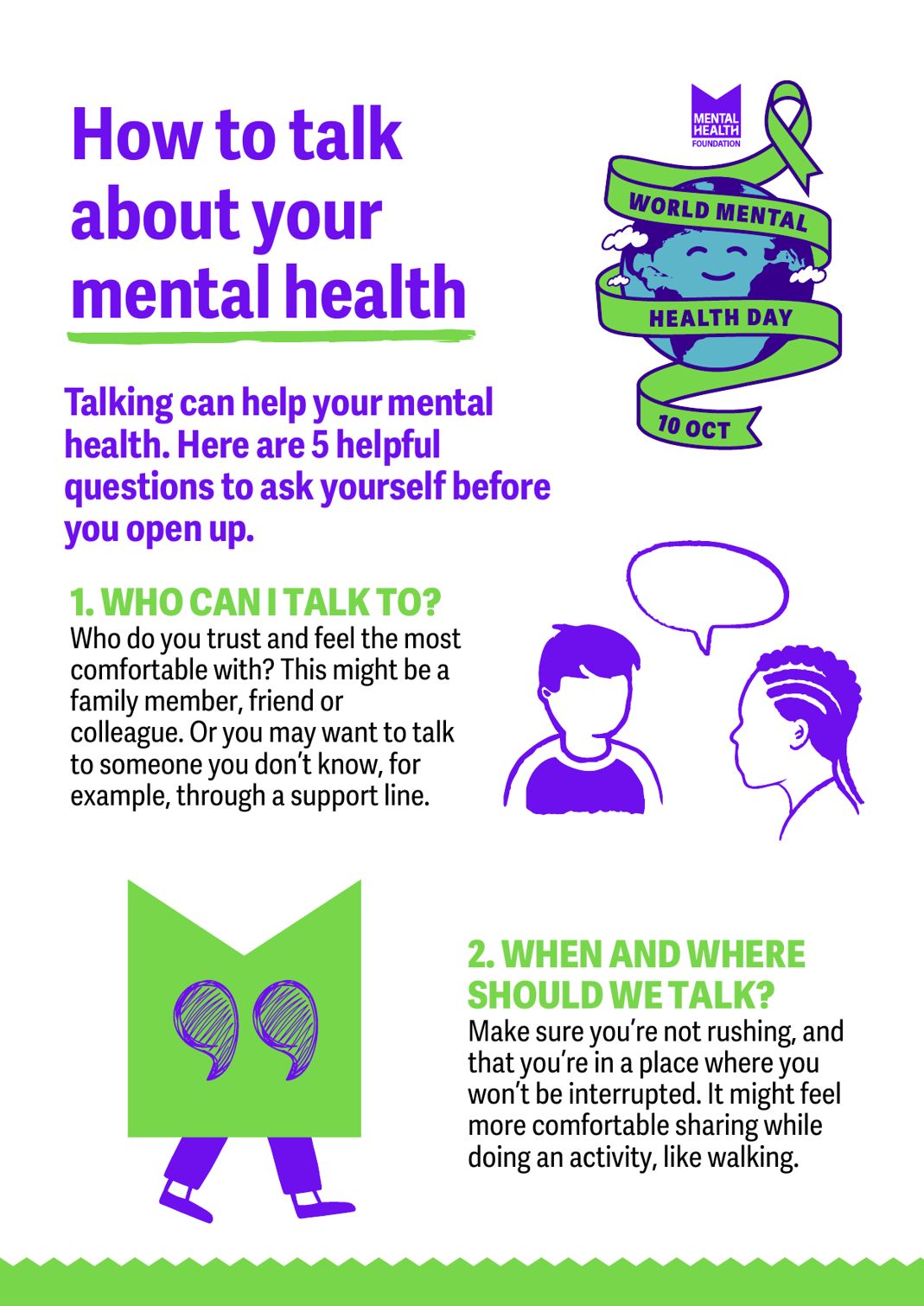
• Choose the moment. A conversation in the car, while walking the dog or while doing something together can feel less intense than a formal ‘sit-down talk’.
• Give your full attention. Where possible, put your own phone away and reduce distractions.
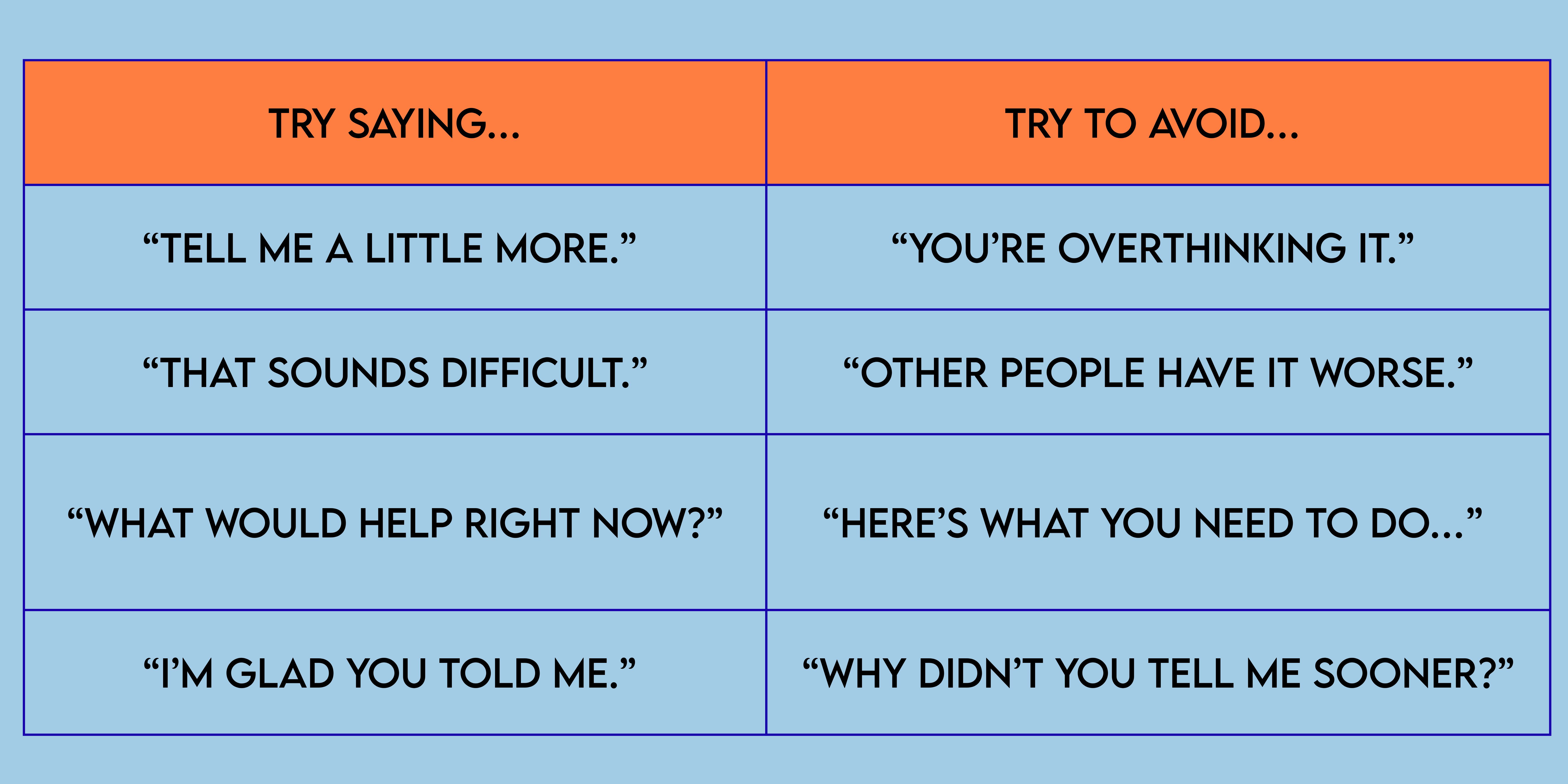
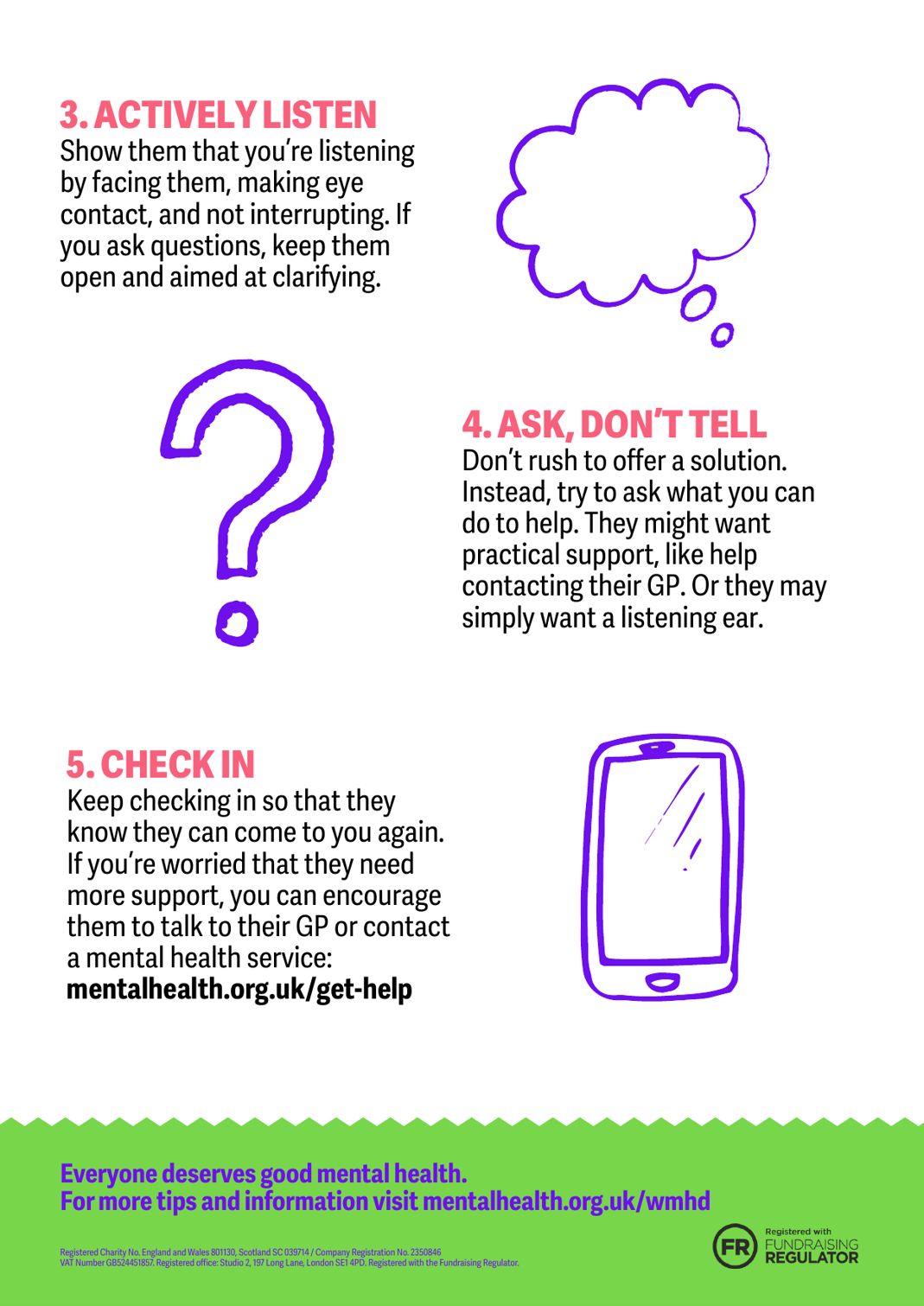
• Start gently. Try: “How have things been for you recently?” or “What has been taking up most space in your head this week?”
• Listen before fixing. Resist the understandable urge to jump straight to solutions. A young person may first need to feel understood.
• Reflect back what you have heard. For example: “It sounds as though that has been really tiring for you.”
• Ask what they need. “Would you like me just to listen, help you think it through, or help you do something about it?” can be very useful.
• Keep the door open. If they do not want to talk, let them know that is okay and that you are available when they are ready.
|
|
|
|
World Mental Health Day does not need to involve a big event. A few ordinary, positive moments together can help families connect and can open the door to conversations that might otherwise not happen.
|
|
|
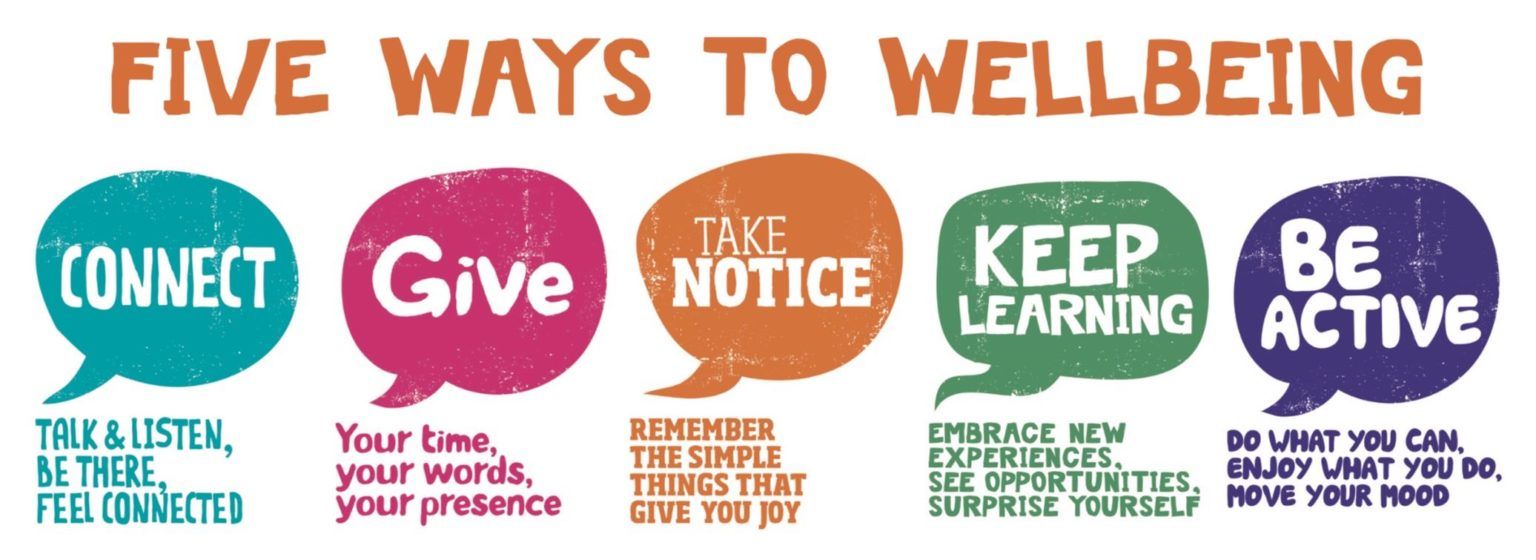
• Take a wellbeing walk – Go for a short walk together and each notice three things you can see, two things you can hear and one thing you appreciate.
• Have a screen-light hour – Choose an hour when everyone, adults included, puts devices aside. Cook, play a game, go out, listen to music or simply talk.
• Try a ‘high, low, hope’ check-in – Each person shares one good thing from the week, one difficult thing, and one thing they are looking forward to.
• Do something your young person chooses – Let them choose the film, meal, walk, game or activity. Joining their world can be a powerful way of showing interest.
• Create a family wellbeing menu – Write down simple things that help each person when they are stressed: music, exercise, quiet time, a shower, drawing, baking, gaming with friends, being outdoors or talking.
• Make one plan to look forward to – It does not need to cost anything. Having something positive in the diary can give the week ahead a helpful point of focus.
Small moments together can make a big difference.
|
|
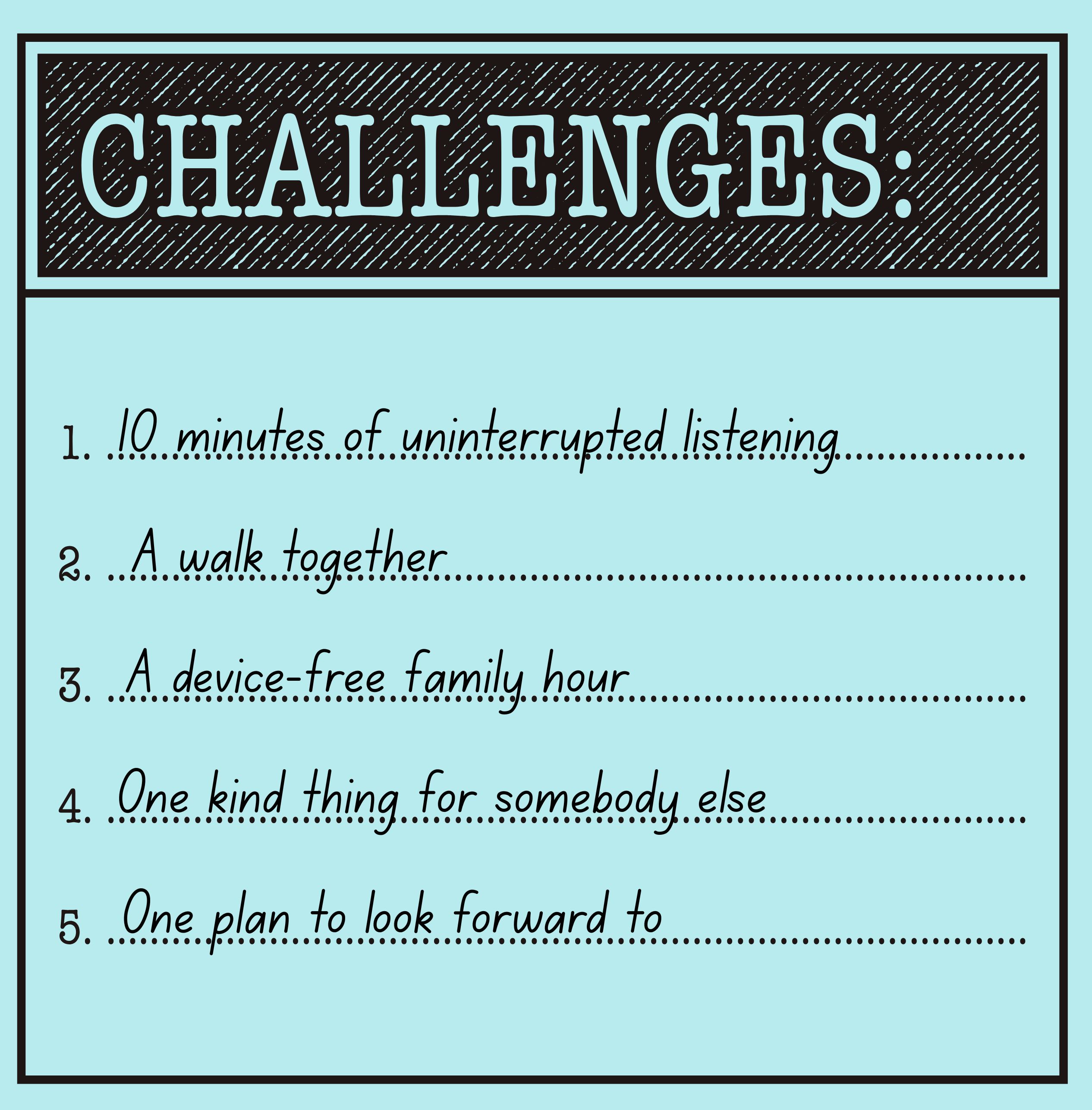
A SIMPLE WEEKEND CHALLENGE
Choose just one thing this weekend:
• 10 minutes of uninterrupted listening
• A walk together
• A device-free family hour
• One kind thing for somebody else
• One plan to look forward to
|
|
|
PRACTICAL TIPS FOR PARENTS & CARERS
• Protect sleep. Teenagers’ routines can easily drift. Encourage a reasonably consistent bedtime and wake time, a wind-down period, and—where possible—some distance between phones and sleep.
• Notice changes, not just crises. Look for patterns such as persistent withdrawal, irritability, changes in sleep or appetite, loss of interest, falling attendance, or a young person seeming unlike themselves over time.
• Keep routines steady. Predictable routines around meals, school, homework and sleep can provide security, particularly when other parts of life feel uncertain.
• Make room for recovery. Busy young people need genuine downtime. Rest is not laziness; it is part of maintaining wellbeing.
• Support movement without pressure. Activity can help mood and stress, but it does not have to mean organised sport. Walking, stretching, dancing or being outdoors all count.
• Talk about online life without judgement. Ask what they enjoy online as well as what worries them. Curiosity is more likely to keep communication open than interrogation.
• Model the habits you hope to see. Young people notice how adults manage stress, phones, sleep and boundaries. Small changes made together can feel fairer and more achievable.
• Keep expectations realistic. During stressful periods, help break tasks into manageable steps and recognise effort as well as outcomes.
A useful reminder:
Self-care can support wellbeing, but it is not a substitute for professional help when a young person is struggling significantly or there are concerns about their safety.
|
|
|
|
WHEN YOUR YOUNG PERSON DOESN’T WANT TO TALK
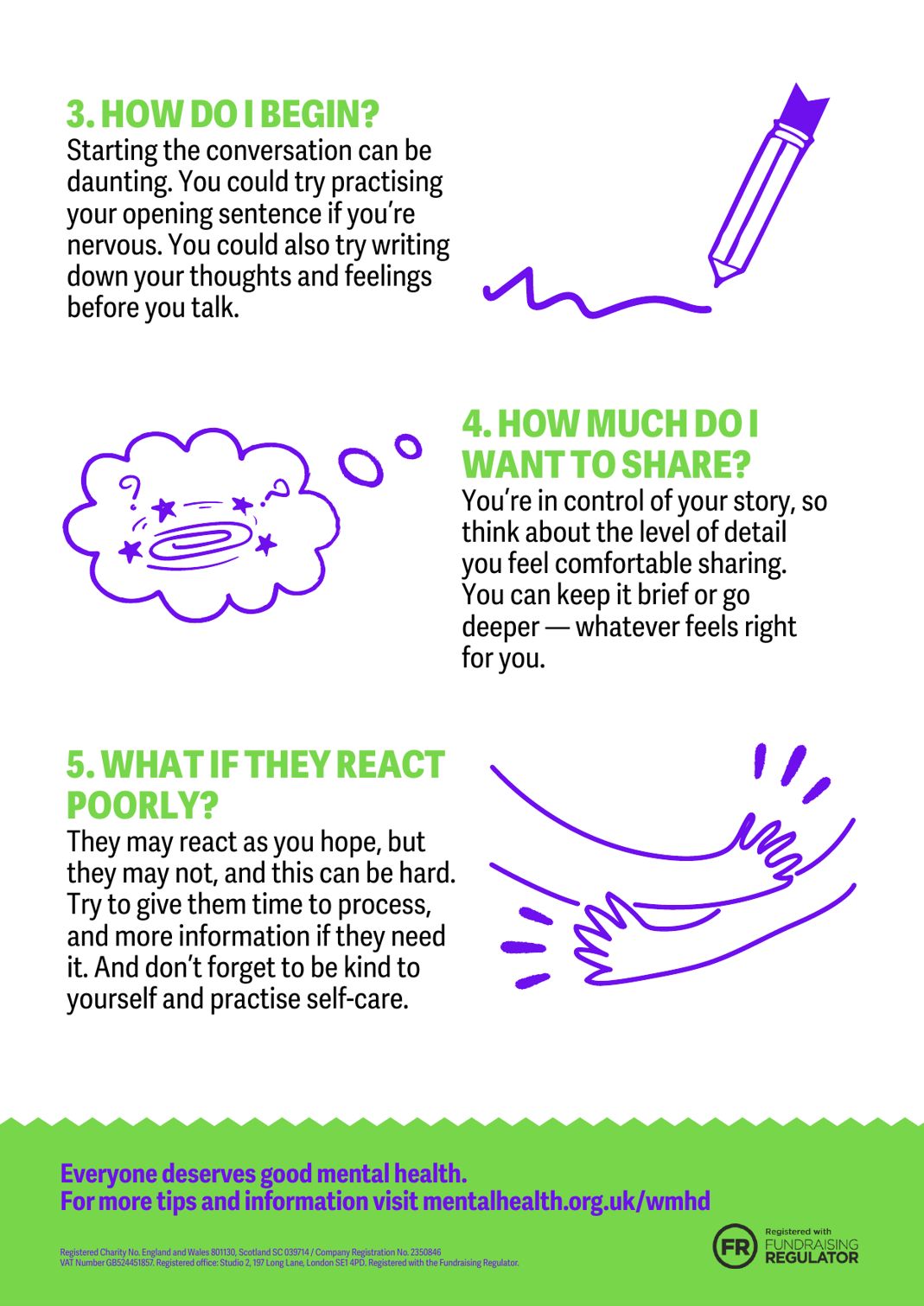
It can be worrying when a young person says “I’m fine”, shuts down or does not want to talk.
Silence does not necessarily mean that nothing is wrong, but repeatedly pressing for a conversation can sometimes make it harder for them to open up.
|
|
• Keep contact warm and ordinary: offer food, a lift, a cup of tea, a walk or company without making every interaction about wellbeing.
• Use observations rather than assumptions: “I’ve noticed you seem quieter this week” is often easier to hear than “I know something is wrong.”
• Offer choices about who they speak to. It may be easier to talk to another trusted adult, relative, tutor or member of the pastoral team.
• Try another format. Some young people find it easier to text, write something down or talk side-by-side rather than face-to-face.
• Return to the conversation later. A calm “You don’t have to talk now, but I’m here when you want to” keeps the door open.
|
|
QUESTIONS THAT CAN OPEN A CONVERSATION
• What has been the best part of your week? What has been the hardest?
• Is anything making school feel more difficult at the moment?
• Who do you feel most comfortable talking to?
• What helps when you feel stressed or overwhelmed?
• Is there anything you wish adults understood better about how things feel for you?
• What could I do that would feel helpful—not annoying—right now?
|
|
|
Listening does not mean agreeing with every interpretation or removing every difficulty. It means taking a young person’s feelings and experience seriously, staying curious, and helping them feel safe enough to keep communicating.
|
|
IF THEY DO TELL YOU SOMETHING DIFFICULT
- Stay as calm as you can
- Thank them for telling you
- Listen carefully and take what they say seriously.
You do not need to solve everything in one conversation.
If you are concerned about their safety, seek appropriate professional help and do not leave them to manage the situation alone.
|
|
|
At Little Heath, we want students to know that there is always someone they can speak to. Listening to students is not an ‘extra’ to wellbeing work—it is fundamental to it. We want young people to feel heard, respected and involved in conversations about the support that may help them.
|
|
|
SUPPORT AT LITTLE HEATH SCHOOL
A student’s form tutor is an important first point of contact.
Other key people in school:
- Head of Year, Progress Leader, Asst Head in charge of their Key Stage
- Mr Linz, Mrs Wraight, Miss Glasgow in the Student Wellbeing Office
- Student Support and Safeguarding Teams
- Senior Leadership Team
SMILE WELLBEING EMAIL FOR STUDENTS
smile@littleheath.org.uk
The wellbeing email is for students and is monitored between 8.15am and 4.00pm on weekdays.
It is not an emergency or crisis service.
|
SOURCES OF SUPPORT OUTSIDE SCHOOL
• YoungMinds – Advice for young people and parents/carers
• NHS Every Mind Matters
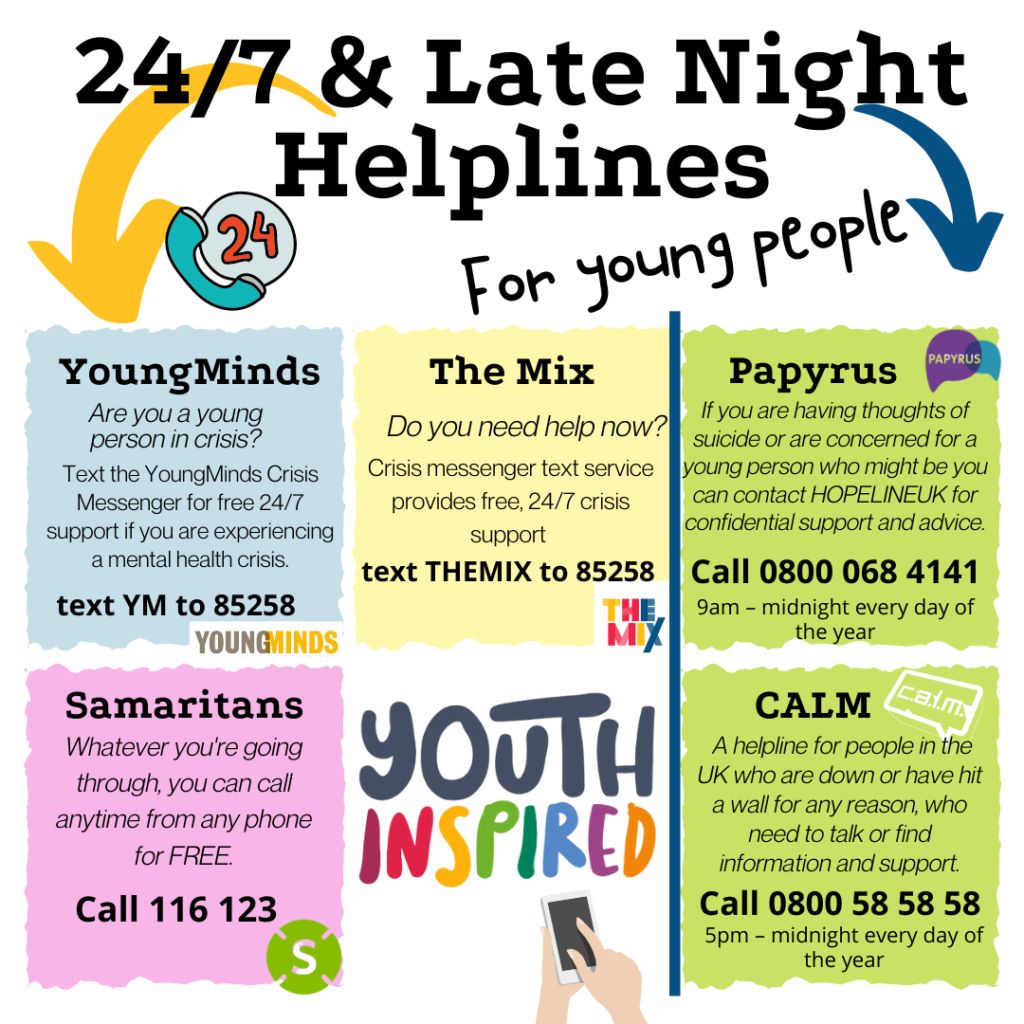
• Childline – Free, confidential support for children and young people: 0800 1111
• Shout – 24/7 crisis text support: text SHOUT to 85258
• Samaritans – 24/7 listening support: 116 123
• Time to Talk West Berkshire – Counselling support for young people aged 11–25
Urgent help:
If you believe a young person is in immediate danger, call 999 or attend A&E. For urgent health advice when it is not a 999 emergency, use NHS 111 and choose the Mental Health option.
|
|
|
|
World Mental Health Day is a useful moment to focus attention on mental health, but the most important work happens in the ordinary moments throughout the year: noticing, asking, listening, checking in and making it easier for young people to ask for help.
For us at Little Heath School, student voice and wellbeing are closely connected. We want our students to know that their experiences matter. We may not always be able to change every circumstance, but we can listen carefully, take concerns seriously and work with young people and families to identify the right next steps.
|
|
This weekend, perhaps the most valuable thing we can give a young person is time: time to talk, time to be heard, and time to be together.
Thank you, as always, to our parents and carers for the part you play in supporting the wellbeing of our young people and for working in partnership with us.
|
|
|
|
|
|
|
|
|
There is information available for parents and carers to support the wellbeing of young people:
Parents Mental Health Support | Advice for Your Child | YoungMinds
Information for supporting your young person's mental health | Mind, the mental health charity - help for mental health problems
Emotional Health Academy Young people, families and professionals can refer to the Emotional Health triage. You can find out more, and access the online referral form, at Emotional Health Academy - West Berkshire Council
|
|
|
|
|
|
|
Time to Talk West Berkshire provides FREE confidential counselling services for young people in need, aged 11 to 25. If you need support and/or want to find out more, please email office@t2twb.org or call 01635 760331
|
|
Young Minds: Their website is full of advice and information to give young people the tools to look after their mental health. They empower parents and professionals to be the best support they can be to the young people in their lives. And they give young people the space and confidence to get their voices heard
|
|
Kooth: You can access support from other young people and professionals, all at your own pace
|
|
Stonewall: Support for LGBTQ+
|
|
Anna Freud: Self-care strategies for young people feeling low or anxious.
The Anna Freud Crisis Messenger text service is a free, confidential, 24/7 text message support service for anyone who is feeling overwhelmed or is struggling to cope. Their service is staffed by trained volunteers who will work with you to take your next steps towards feeling better.
If you need support, you can text AFC to 85258.
|
|
The Children's Society: Full of age-specific advice on issues that may be worrying children and young people
Emotional health and wellbeing for Young People
|
|
CAMHS in Berkshire (berkshirehealthcare.nhs.uk):
If you want to talk to someone about whether CAMHS is the right service to help, or if you are having extreme mental health difficulties and need support urgently, call the team on 0300 365 1234, 8.00am-8.00pm Monday to Friday. Outside of these hours, if you need urgent help, please contact the adult crisis team on 0300 365 0300
|
|
NATIONAL HELPLINES
CHILDLINE
|
0800 1111
|
THE MIX
|
0808 808 4994
|
THE SAMARITANS
|
116 123
|
SHOUT
|
The UK’s 24/7 text service for anyone in crisis, anytime, anywhere. It’s a place to go if you’re struggling to cope and you need immediate help.
TEXT SHOUT to 85258
|
|
|
|