Feeling Safe Survey Results 2026
Results of our annual Feeling Safe Survey
We have asked our students to complete our annual Feeling Safe Survey for the past 17 years. This summer we received 1,062 responses from years 7-13, which is around 60% of our student body.
Ensuring that every student feels safe, supported, and confident that help is available whenever they need it is a key priority for us. By conducting the survey each year, we gain valuable feedback directly from students about their experiences, helping us recognise our strengths and identify areas where we can continue to improve.
The Feeling Safe Survey 2026 confirms that the majority of respondents feel happy and safe at Little Heath School and confirm that they enjoy coming to school.
Feeling Happy and Cared for
87.4% of the respondents, and 93.8% of our Sixth Form participants, indicated a positive response (strongly agree/agree) to the statement “I enjoy coming to Little Heath School”.

“I love learning and being with friends”
“There is always something to look forward to”
89.5% agreed that Little Heath is a caring school.
"My teachers in year 12 are great and I feel supported”
“It [the school] cares about how the students are doing mentally”
Feeling Safe and Supported
93.3%, and 100% Sixth Form participants, gave a positive response (strongly agree/agree) to the statement “I feel safe at Little Heath School”.
“It makes me feel safe”
“I feel safe and happy here”
“It's a place I feel safe and can see friends”
In answer to “What helps you to feel safe at Little Heath School?”, common responses include:
- Friends
- Teachers
- Staff on break and lunch duty
- Access to staff that students feel comfortable to talk to
- Sixth Form team and Key Stage Offices
- Student Wellbeing and Support Teams
- SMILE team and peer support
- Safeguarding Team
- Site security
“Teachers are always open to help with any situations and are willing to spend time ensuring that students are safe”
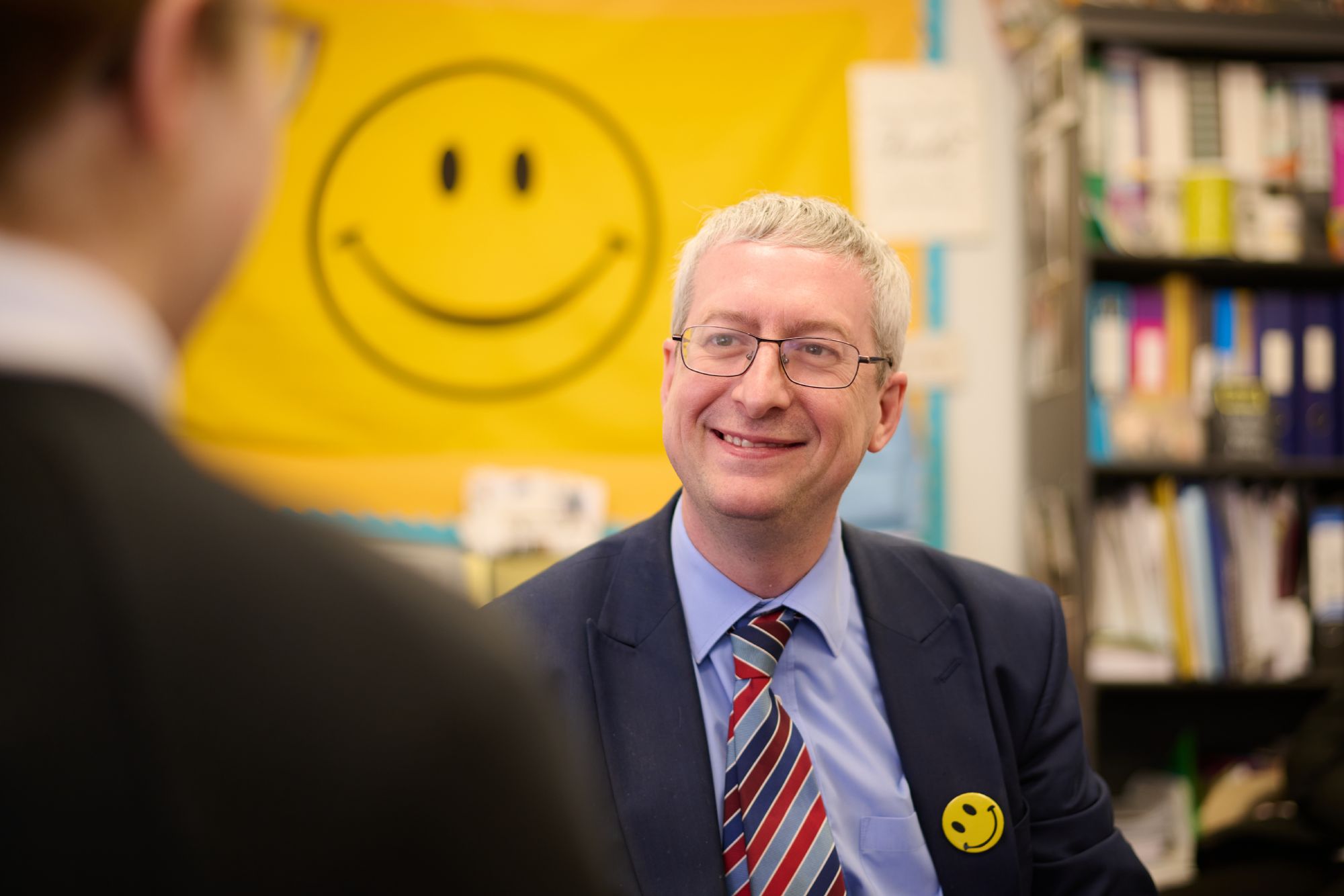
93.2% responded positively to the statement “when I have a problem, there is always someone I can talk to”.
“I feel that if I had an issue there would be many people to talk to”
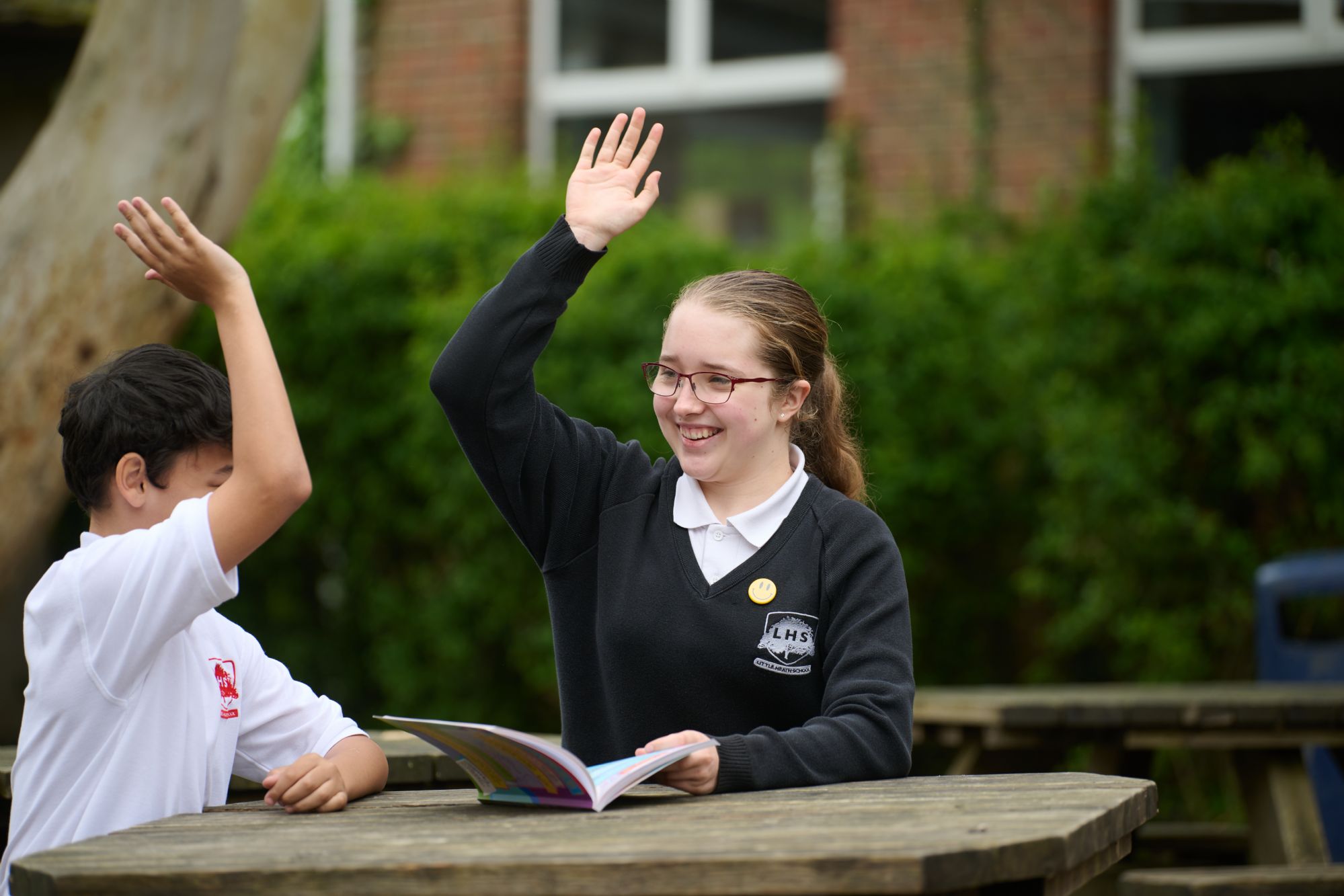
“There’s loads of support”
Our students know how and where to access support in school, with 98% responding positively – our highest percentage to date. This is a credit to the work we have done to promote and remind students of the avenues of support available to them – through our wellbeing assemblies, tutor time activities, termly support information videos from our Student Support Staff, and our Student Senior Leadership Team.
Online Safety
99.1% of respondents said that they knew how to keep themselves safe on the Internet.
The percentage of overall respondents who suggest that they have experienced cyberbullying falls over 4% from the previous year to 17.2%. Cyberbullying and use of social media remain an important issue for us and our students, and we continue to educate both students and parents/carers through eSafety assemblies, workshops, tutor and PSHE activities, information events and through our Safeguarding Newsletter. Workshops and assemblies remain the preferred way for students to learn about eSafety, but they also suggested learning from real life examples, hearing from speakers and further involvement of parents and carers amongst other suggestions.
Diversity, Inclusivity and tackling Discrimination
We asked students about what they know about ‘Protected Characteristics’. These are nine characteristics protected by law in the UK:
- Age
- Disability
- Gender Reassignment
- Marriage and Civil Partnership
- Pregnancy and Maternity
- Race
- Religion or Beliefs
- Sex
- Sexual Orientation
479 respondents could name some of the protected characteristics; this represents less than 50% of the students who responded to the survey. Many respondents admitted they did not know to what we were referring. Raising awareness of the protected characteristics forms one of our school Equality Objectives effective from Autumn 2025.

In response to a new question about what more the school can do to tackle discrimination, the following thoughts were raised:
- More assemblies about protected characteristics
- Extended tutor time/workshops
- More education around respect and equality
- Celebrate Pride Month
- More posters and digital signage to raise awareness
- A mixture of sanctions and education for perpetrators
- More training for staff
- From one respondent: “Engagement with ongoing politics as a form of education at a younger age”
Behaviour and Responsibility
This year we asked students about behaviour in school and opportunities for independence and responsibility.
70% of respondents responded strongly agree/agree with the question “Does the school encourage you to be independent and take on responsibility?”.
These are important skills that help students build confidence, make informed decisions, take ownership of their learning, and prepare for life beyond school. Encouraging independence at school includes managing workloads and deadlines, taking on leadership roles, contributing to school life, participating in extracurricular and enrichment activities, and becoming active members of the wider school community. Responsibility is also fostered through opportunities such as mentoring, student leadership positions, representing the school, and supporting others.
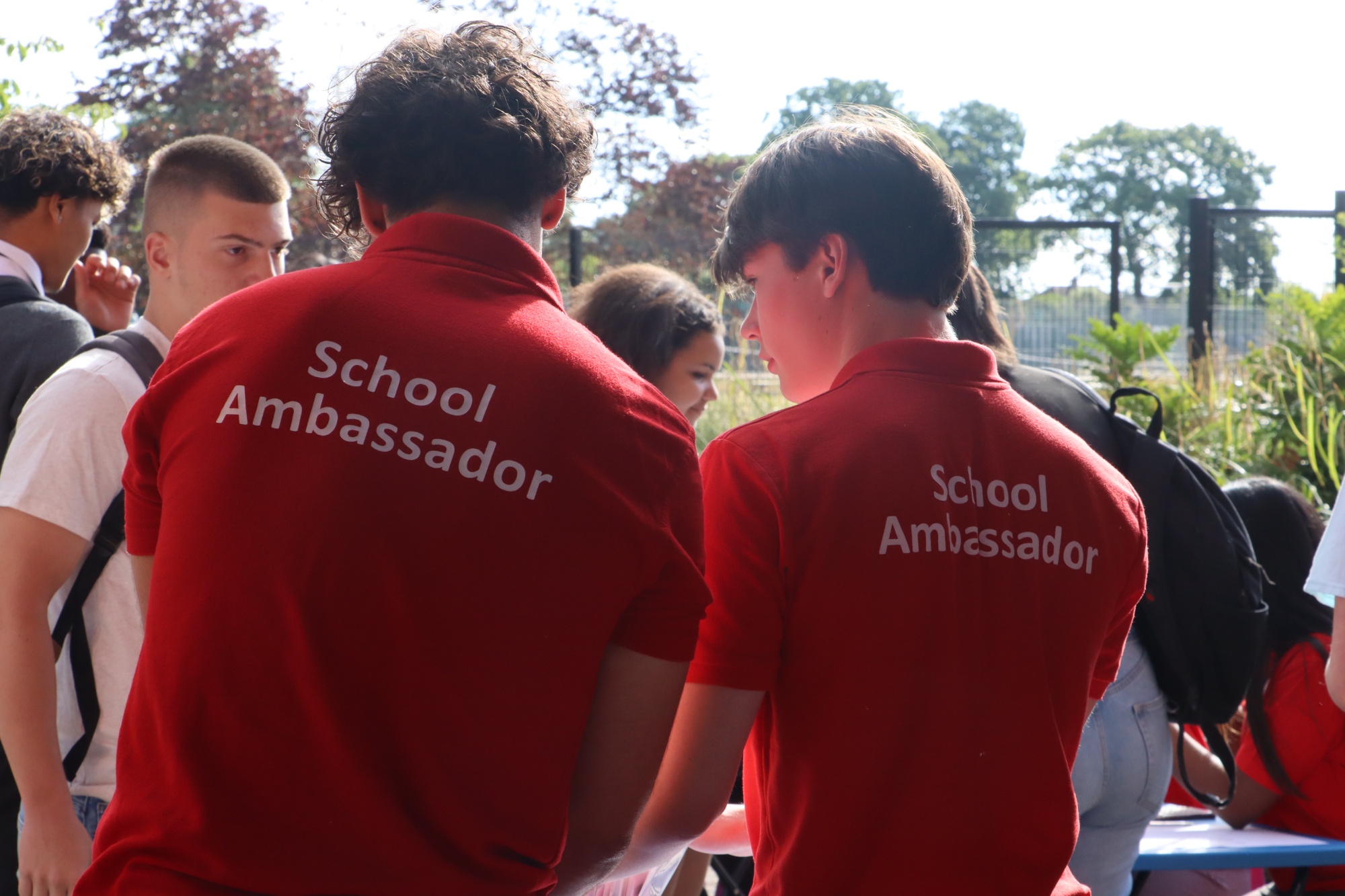
87.5% of students responded completely/mostly to “Do you understand the school’s behaviour policy and rewards/consequences?”; and almost 60% of student participants felt that school rules were applied fairly and consistently by all staff, either always or most of the time. While this is encouraging, we recognise the importance of ensuring students have a consistent experience across the school.
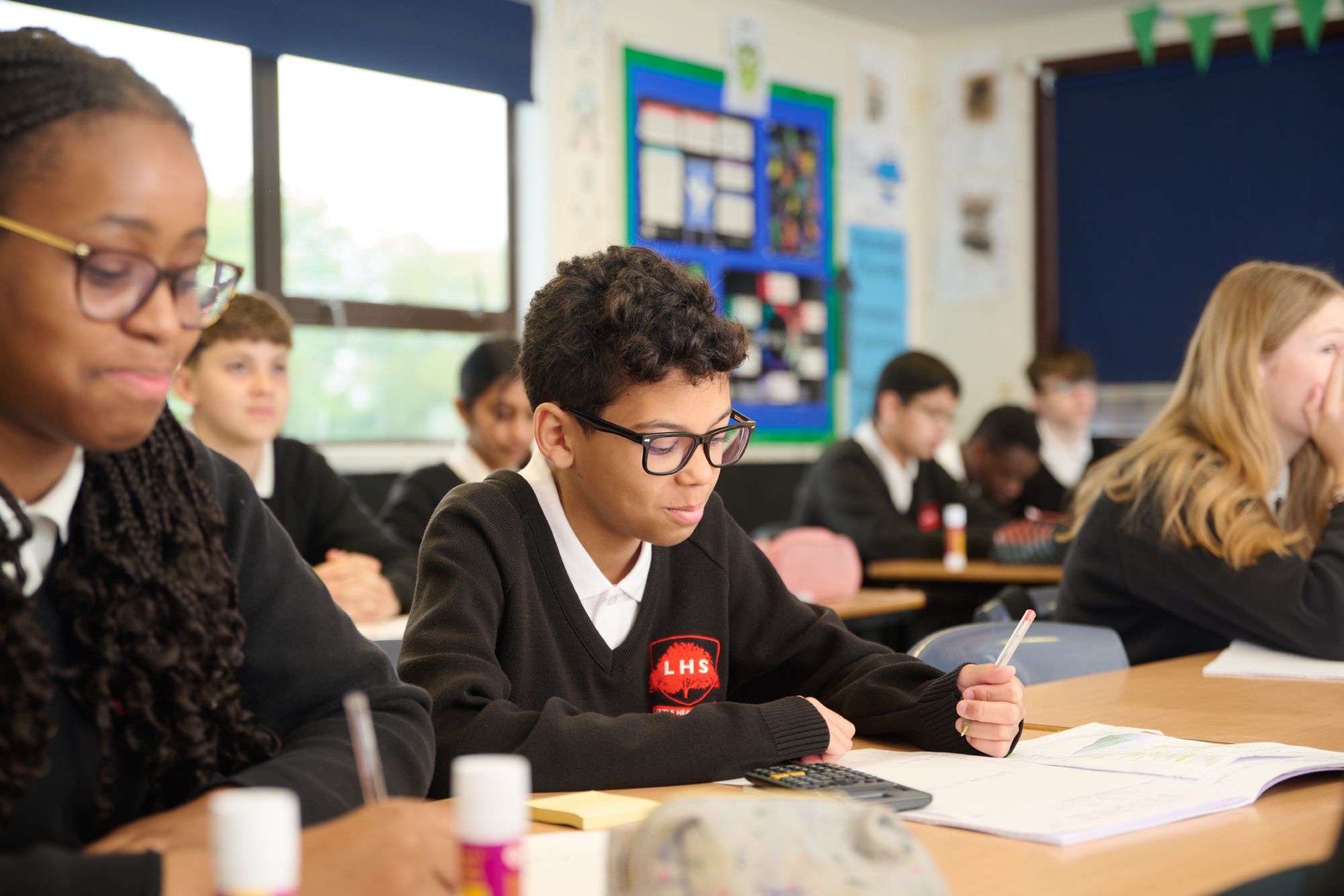
Since September, we have placed a strong emphasis on promoting clear and consistent expectations for all students. Staff have worked together to ensure that school rules, routines and sanctions are communicated and applied more consistently across all year groups. This has included a renewed focus on key areas such as our mobile phone policy, punctuation, ensuring students have the correct equipment, and maintaining high expectations around uniform.
Through this work, we aim to create a respectful and supportive environment in which all students understand what is expected of them and can focus on their learning. We will continue to monitor students’ views and use their feedback to further strengthen consistency across the school.